Tag: https://fairtilizer.com
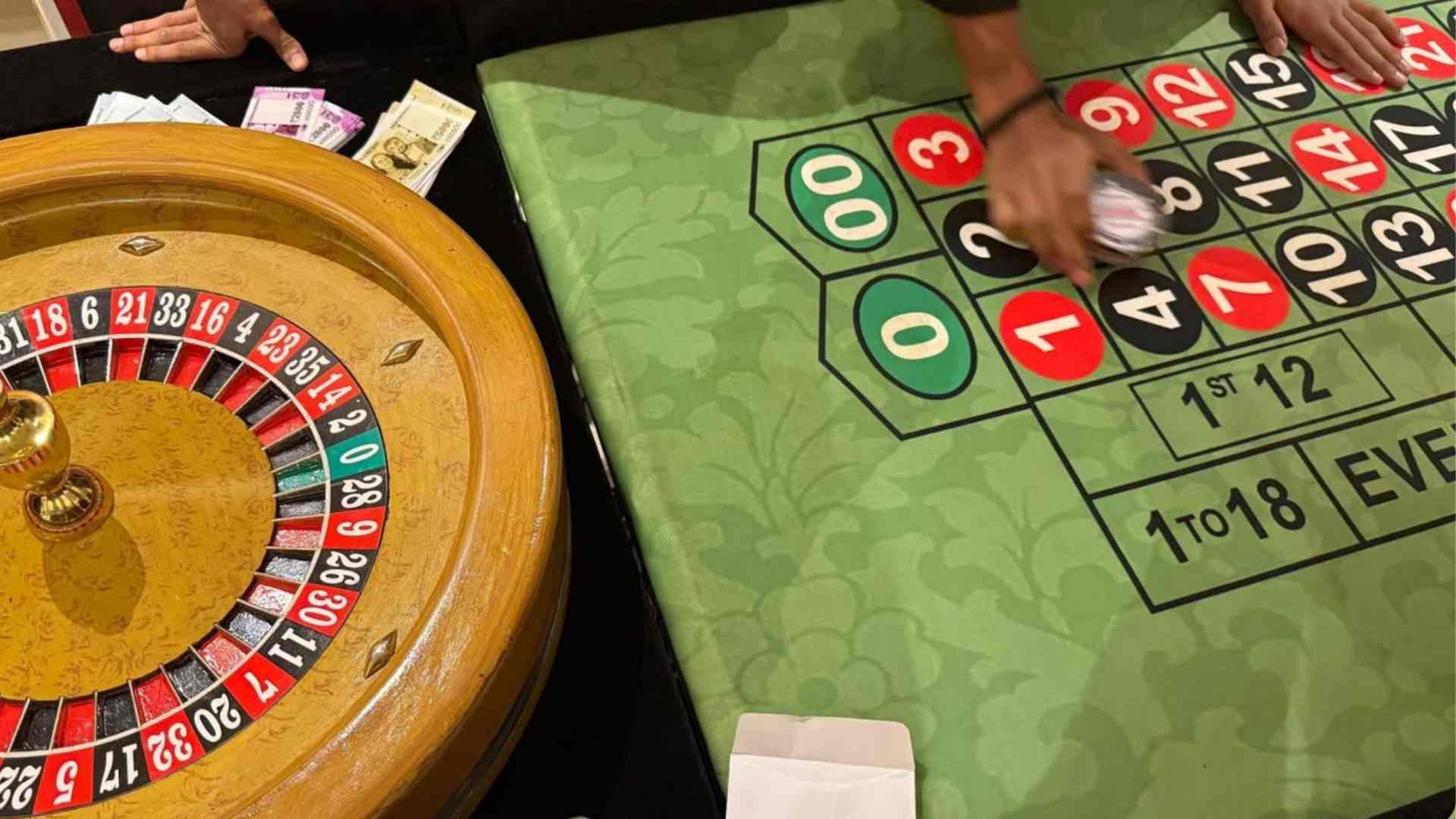
Best Roulette Casino Sites Denmark Exploring Online Roulette...
Denmark has developed a well-regulated framework for online gambling, providing players with access to secure and high-quality gaming environments. Among the available options, online roulette remains one of the most popular table games across Danish platforms due to its engaging gameplay and variety of rule variations. Understanding how local regulations shape operator standards helps players select trustworthy platforms that offer fair gaming conditions.
The Framework of Regulated Gaming in Denmark
Danish legislation requires digital gaming operators to hold an official license from the Danish Gambling Authority, Spillemyndigheden, before offering services to residents. This licensing structure ensures that platforms implement strict consumer protection measures, including mandatory deposit limits and self-exclusion tools. Operators adhering to these guidelines offer transparent game mechanics and certified random number generators for digital roulette wheels.
By choosing regulated platforms, Danish enthusiasts benefit from data encryption protocols and protected banking methods. Exploring international gaming standards on platforms like m88 link alternatif can also give players perspective on how global operators compare to locally licensed sites. However, remaining within locally authorized platforms guarantees recourse under Danish consumer law.
Popular Variants of Online Roulette in Denmark
European roulette is the most widespread variant across Danish casino sites because of its single-zero layout and lower house edge compared to American alternatives. Many platforms also host French roulette, which features special rules like La Partage that further reduce statistical player loss on even-money bets. Players frequently evaluate these game rules to choose tables that best align with their personal strategy and risk preferences.
Live dealer roulette has gained significant traction, allowing users to stream real-time games hosted by professional croupiers. Modern platforms feature high-definition video feeds, interactive chat functions, and specialized camera angles to elevate the remote gaming experience. These live variants offer an immersive environment while maintaining strict regulatory compliance.
Evaluating Key Features of Top Roulette Platforms
When assessing online roulette sites, mobile compatibility is a major consideration for players seeking seamless gameplay on smartphones or tablets. Leading platforms design responsive web interfaces and dedicated applications optimized for touch controls without sacrificing visual fidelity. Smooth navigation ensures that placing bets during short live-dealer windows remains effortless.
Additionally, payout processing speed and fair promotional terms serve as strong indicators of platform quality. Transparent sites clearly outline wagering requirements on bonuses and ensure that withdrawal processing times are reasonable. Evaluating user reviews and independent audit reports offers further confidence when selecting an online casino.
Promoting Responsible Play and Player Safety
Responsible gambling tools are built directly into Danish-licensed roulette sites to help individuals manage their gaming activity effectively. Features such as session time reminders and automatic cooling-off periods enable users to maintain healthy entertainment habits. Utilizing state-managed resources like ROFUS ensures that players can voluntarily exclude themselves from all licensed operators if needed.
Ultimately, enjoying online roulette depends on maintaining realistic expectations and viewing the activity purely as a form of leisure. Setting strict budget limits before initiating any session prevents emotional decision-making on the digital gaming floor. Informed choices contribute significantly to a safe and enjoyable online experience.

First Casino in Las Vegas Exploring the Origins...
Long before megaresorts and towering neon marquees defined the Nevada desert, Las Vegas was a modest railroad town with modest gaming roots. The official legalization of gambling in 1931 laid the groundwork for a revolutionary transformation in American entertainment. Exploring the origins of early local gambling halls provides fascinating insight into how a small desert outpost became the entertainment capital of the world.
The Pioneer Spirit of Northern Club
When Nevada re-legalized gambling in March 1931, business owners rushed to secure official licenses for their establishments. Mayme Stocker became a pioneering figure in local history when she received Nevada Gaming License Number 1 for the Northern Club on Fremont Street. Her establishment provided legal card games and simple chance-based entertainment to thousands of hungry construction workers building the Hoover Dam.
The venue quickly established a template for commercial gaming by offering structured rules and a safe social environment. Modern casino enthusiasts who examine historic operators often draw parallels to contemporary digital gaming brands such as m88 login terbaru when analyzing industry evolution. The success of the Northern Club demonstrated that regulated gaming could serve as a powerful economic catalyst for local communities.
Transitioning from Railroad Hub to Gaming Destination
During the early 1930s, the economic impact of the Hoover Dam project brought an influx of workers seeking evening leisure. Fremont Street rapidly expanded its hospitality offerings to meet the surging demand for food, drinks, and table games. Small saloons converted backrooms into dedicated gaming spaces to accommodate the steady evening crowds.
This surge in foot traffic transformed the quiet railroad community into a bustling nighttime district within just a few years. Investors from across the country began to take notice of the city's potential for high-volume entertainment ventures. The infrastructure created during this era laid the foundation for future major developments in the region.
The Birth of the Las Vegas Strip
While Downtown Las Vegas blossomed along Fremont Street, visionary developers recognized the opportunity to expand outside city jurisdiction along Highway 91. In 1941, Thomas Hull opened the El Rancho Vegas, marking the birth of what would become the world-famous Las Vegas Strip. This resort combined full-scale gaming options with expansive swimming pools and top-tier dining accommodations.
The success of the El Rancho proved that travelers were willing to journey across the desert for complete resort experiences. Subsequent developers quickly replicated the concept, building increasingly grand properties along the highway corridor. This shift expanded the market beyond regional workers to attract vacationers from across the globe.
Legacy of Early Gaming Establishments
The early casinos of Las Vegas established operational standards that still influence the global hospitality and gaming industries today. By prioritizing customer service, diverse entertainment options, and strict compliance with legal frameworks, early operators built a durable commercial model. Their pioneering efforts turned a remote desert location into an international symbol of leisure and resort life.
Understanding the origins of Las Vegas gaming highlights the importance of innovation and adaptiveness in tourism development. Today, historic landmarks on Fremont Street continue to honor those foundational years, preserving the unique legacy of Nevada's gaming pioneers for future generations of visitors.