Recent Post

Where To Find White Passion Lily Dreamlight Valley Collection Guide ...
Disney Dreamlight Valley offers players an enchanting blend of life simulation and magical adventuring filled with beloved characters and hidden treasures. Foraging for unique flora is a core mechanic that allows players to complete quests, craft beautiful decorations, and progress through regional storylines. Tracking down specific plants like the White Passion Lily can sometimes challenge even the most experienced players due to unique spawning mechanics and environmental progression blocks.
The Primary Spawning Location for Passion Lilies
To begin your search for the White Passion Lily, you must gain access to the chilly northern territory known as the Frosted Heights. This snow-covered biome is the exclusive home for all passion lily variants, requiring players to invest Dreamlight to unlock the region from the adjacent Valor forest. Once you cross into this icy wonderland, you will see various colorful flora scattered across the winter landscape.
Understanding the local ecosystem is vital because the biome shares spawn limits among all colors of the same plant family. If your snowy fields are currently cluttered with red, blue, or green versions, new white variants will not have room to generate naturally. Clearing out unwanted blossoms regularly ensures that the internal counter resets, giving your desired color a much higher chance to emerge during the next cycle.
Navigating Inaccessible Biome Obstacles and Glitches
Many adventurers encounter a common roadblock where a large portion of the Frosted Heights remains blocked by giant ice chunks before upgrading their tools. Important resources often generate on the inaccessible side of the river, leaving players feeling stuck or frustrated. Fortunately, the community has discovered clever workarounds using the game's internal systems to retrieve these hidden items without waiting for late-game upgrades.
By entering the game's Furniture Mode, you can freely pan your camera across the entire map, regardless of physical barriers or icy blockades. This specialized view lets you select the flowers sitting on the far side of the river and drag them over to your accessible pathways. Some players even use this tactical interface to move their fast-travel wishing well across the water, allowing them to teleport directly to the restricted zone.
Advanced Tips for Efficient Collection and Storage
Managing your collection efficiently requires understanding how local reset timers function when foraging for rare materials. Leaving a few common variants untouched can sometimes disrupt the generation balance, so clearing the entire area is generally recommended for maximum output. Waiting roughly thirty minutes after a thorough cleanup will usually trigger a fresh wave of resources across the biome.
To save time during major character quests, veteran players recommend setting up a localized storage system right at the entrance of the snowy territory. Gathering materials continuously during your daily routines and dropping them into a dedicated biome chest builds a reliable stash for the future. This preparation ensures you always have the necessary ingredients ready whenever a new update or crafting recipe requires large quantities of arctic flora.

Let's Go Eevee Elite Four Team Preparation and Battle Guide ...
Reaching the Indigo Plateau in Pokemon Let's Go Eevee represents the ultimate test of your journey through the Kanto region. Facing the consecutive battles of the Elite Four requires meticulous squad preparation and deep understanding of your partner's unique capabilities. By establishing a balanced composition and mastering specific move pools, you can seamlessly claim the title of Champion.
Maximizing the Power of Your Partner Eevee
Your starter Eevee possesses an extraordinary advantage in this game due to exclusive partner moves taught by Move Tutors. Techniques like Bouncy Bubble, Buzzy Buzz, and Sizzly Slide give your normal-type companion unprecedented coverage against various elements. Utilizing these highly potent maneuvers allows Eevee to act as a versatile tool capable of countering multiple trainers single-handedly.
Before entering the arena, ensure your partner has high friendship metrics to maximize its overall stat distribution during combat. Investing candies into its primary attributes can also help withstand major offenses from higher-level endgame threats. This reliable foundation guarantees you always have a robust response ready for unpredictable turn shifts.
Building a Balanced Counter Composition
The standard line-up supporting your starter should consist of diverse elemental creatures capable of exploiting known enemy weaknesses. Including an electric-type monster like Jolteon or Zapdos provides immediate utility against the initial water and flying rosters. A formidable psychic or fairy type is also essential for neutralizing incoming fighting and poison threats swiftly.
Adding a sturdy rock or ground combatant like Rhydon helps absorb physical punishment while offering devastating defensive coverage. Many trainers also rely on powerful dragon or fire archetypes to quickly pierce through tough steel and ice barriers encountered during late-phase battles. Constructing this coverage ensures you never find your party trapped in a severe tactical disadvantage.
Navigating the Strategic Combat Phases
The initial battle against Lorelei demands instant disruption of her defensive ice and water configurations using lightning or grass offenses. Following her, Bruno introduces bruising physical combinations that fall rapidly to precise psychic maneuvers and aerial supremacy. Maintaining active status conditions on these threats will severely limit their offensive capabilities before they can establish momentum.
Agatha relies heavily on ghost and poison trickery, making her team highly vulnerable to fast ground-type earthquakes and specialized dark attacks. Finally, Lance unleashes titanic dragon forces that require dominant ice-type capabilities or fairy-type immunities to conquer effectively. Anticipating these distinct shifting rosters allows your squad to execute clean sweeps with minimal resource consumption.
Final Item Allocation and Resource Management
Success inside the Indigo Plateau depends heavily on maintaining a healthy inventory filled with crucial restorative supplies. Stocking up on Full Restores and Max Potions prevents unexpected losses when your main combatants take heavy damage. Bringing plenty of Revives ensures you can recover fallen key assets between individual matches without losing overall momentum.
Equipping specific items to enhance elemental strengths can further optimize your party's offensive output during tense turns. Balancing your item choices with strategic switching gives you full control over the tempo of each dramatic encounter. With proper deployment and careful resource tracking, your path toward the absolute pinnacle of Kanto becomes guaranteed.
Disgaea 7 Demon Shogi Guide and Winning Strategies ...
Diving into the demonic realm of Hinomoto in Disgaea 7: Vows of the Virtueless introduces players to a massive variety of tactical minigames alongside core grid combat. Among these additions, the Demon Shogi facility stands out as a unique challenge that tests your puzzle-solving skills and mechanical foresight. Mastering this strategic board game allows players to unlock incredible rewards and prepare their units for competitive environments.
Understanding the Rules of Demonic Shogi
Demon Shogi adapts the classic rules of Japanese chess into localized tactical puzzles where players must systematically outmaneuver computerized enemy configurations. The primary objective centers on placing the opposing King into a definitive checkmate scenario using your designated unit pieces. Unlike standard open maps, these trials require players to operate under specific movement restrictions and predefined turn sequences to achieve victory.
Every digital piece at your disposal features distinct offensive directions and movement parameters that mirror historic tabletop variants. Successfully navigating early stages teaches players how to safely drop captured items back onto the field to create immediate positional advantages. Developing a solid understanding of these foundational mechanics prevents unexpected losses when facing advanced AI tactics.
Essential Operational Flow and AI Patterns
Conquering higher-tier puzzles requires identifying predictable behaviors within the opposing automated systems rather than relying on brute force. The AI typically executes strict optimization algorithms that prioritize immediate piece capture over long-term positional defense. By recognizing these rigid movement templates, you can easily guide hostile units away from protective zones and into prepared traps.
Maintaining absolute focus on protecting your mobile yet fragile King remains paramount throughout each tactical puzzle engagement. Utilizing defensive generals to buffer incoming flanking maneuvers ensures your primary attacking structures remain active and uncompromised. Consistently forcing the opposing forces to adapt to your positioning choice eventually destabilizes their baseline formations.
Advanced Winning Strategies for Carnage Trials
As you transition into the late-game Carnage variations of the minigame, the structural configuration of each trial becomes significantly more unforgiving. Players must accurately predict multiple turns in advance to counter aggressive static defenses and massive enemy cavalry arrays. Crafting specialized tactical approaches that balance patient waiting sequences with explosive vanguard pushes is crucial for clearing these expert maps.
If you find yourself struggling against the steepest difficulty curves, consulting a comprehensive Demon Shogi text guide provides excellent step-by-step inputs for optimization. These community resources outline the exact movement sequences required to trick the automated algorithms during highly technical setups. Combining these community insights with personal practice guarantees a smooth path toward complete puzzle completion.
Maximizing Rewards and Strategic Value
Completing the full gauntlet of tactical board challenges offers immense mechanical benefits that directly impact your broader journey across Hinomoto. Beyond securing rare equipment and experience bundles, finishing these trials grants unique insights into the game AI underlying logic. This acquired foresight radically improves your performance during complex player-versus-player squad composition and competitive strategy deployment.
Ultimately, investing the effort to completely master this mental battlefield completely transforms how you approach high-stakes tactical encounters. The intellectual discipline required to solve each board setup builds excellent long-term habits for endgame resource management and character progression. Treat every match as an opportunity to sharpen your mind and solidify your dominance within the netherworld hierarchy.

How Reward Events Use Curiosity To Build Engagement ...
Modern digital platforms are constantly evolving to discover new ways of keeping audiences active and invested over long periods. While traditional incentive structures rely on predictable outcomes, contemporary campaigns are successfully leveraging the psychological power of the unknown. By shifting the focus toward mystery and discovery, modern organizers can transform routine interactions into highly compelling experiences that naturally encourage repeat visits.
The Psychology of the Information Gap
Human beings possess an innate desire to resolve uncertainty, a behavioral trait often described as the curiosity gap. When a reward event intentionally hides the final outcome, it activates a strong mental urge within the participant to find out what lies ahead. This anticipation triggers a powerful emotional loop that keeps users focused on the platform far longer than standard notifications ever could.
Instead of merely focusing on the value of the prize itself, successful campaigns emphasize the journey of discovery. By breaking information down into gradual reveals, developers can maintain high interest levels throughout the entire lifecycle of an event. This approach ensures that the audience remains deeply invested in the narrative, creating a sustainable foundation for long-term community participation.
Designing Interactive Mystery Elements
Building a successful engagement strategy requires more than just hiding information; it demands structured interactive mechanics. Incorporating visual indicators like countdown timers, progress bars, or locked milestones helps turn passive waiting into an active, gamified pursuit. Participants feel a distinct sense of progression as they unlock clues or complete minor tasks leading up to the main announcement.
To explore more about optimizing digital connections and tracking industry trends, visiting a dedicated platform like boss29 link offers valuable perspectives. Utilizing these interactive milestones gives audiences a clear sense of agency over their involvement. When individuals feel that their choices actively contribute to uncovering a secret, their connection to the overall campaign strengthens dramatically.
The Role of Unpredictable Reward Formats
Fixed milestones provide stability, but unpredictable structures are what truly elevate community excitement to its peak. Variable reinforcement schedules ensure that participants receive feedback or surprise drops at irregular intervals, keeping the daily routine dynamic. This lack of predictability prevents user fatigue and ensures that each session feels distinct and refreshing.
Furthermore, random selection frameworks serve to democratize the winning experience across an entire user base. When casual participants realize that anyone can discover a major benefit regardless of past experience, baseline enthusiasm rises across the board. This inclusive environment turns occasional visitors into dedicated brand advocates who regularly check back for new developments.
Cultivating Shared Social Discovery
Curiosity is not just an individual experience; it thrives heavily within shared digital environments. When a platform introduces an intriguing mystery or a sudden prize event, community members naturally gather to share theories and celebrate wins. This organic interaction creates a lively social atmosphere across forums, community chats, and social channels.
The collective waiting period builds a strong sense of camaraderie among participants who share the same expectations. By discussing potential outcomes and building theories together, users elevate the activity from a simple transactional task to a memorable social milestone. Ultimately, it is this rich blend of personal curiosity and shared community connection that ensures sustained loyalty and genuine long-term interaction.

The Simplest Way To Understand Traditional Card Totals ...
Mastering classic tabletop games often begins with a clear understanding of how physical card values are aggregated during live play. While modern digital screens frequently handle the mathematical heavy lifting for participants, learning the underlying logic behind traditional counting methods enhances overall table awareness. By breaking down these foundational systems into simple concepts, any enthusiast can confidently follow the shifting dynamics of classic card matches.
The Core Rules of Single Digit Arithmetic
Many historic European card games operate on a modulo ten scoring system, which means that point values never exceed a single digit. When the total sum of a hand reaches ten or greater, the first digit is dropped completely to determine the actual score. For example, a combination totaling fifteen instantly becomes a five within this elegant framework.
This simple mathematical adjustment eliminates complex calculations and keeps the pace of play rapid and engaging. Beginners can practice this mental math quickly by ignoring the tens place entirely during the initial deal. This fundamental principle ensures that the highest possible score at the table remains a perfect nine.
How Specific Items Drop to Zero Value
Another unique aspect of traditional setups is how specific cards lose their standard numerical power completely. In games like classic baccarat, all tens and face cards including jacks, queens, and kings are assigned a value of zero. This structural rule drastically alters how hands develop compared to standard trick-taking activities.
Because these high cards hold no mathematical weight, drawing a king or a ten will not alter your current score. Enthusiasts looking to explore these classic mechanics further can access a reliable m88 link to observe how these historical rules function across various digital tables. Recognizing this zero value rule is crucial for accurately predicting potential outcomes before the final cards enter play.
Tracking Shifting Probabilities at the Table
True expertise develops when a participant moves past basic math and begins observing the natural distribution of points. Since a large portion of the deck carries a value of zero, the likelihood of drawing low numeric cards shifts dynamically throughout a round. Aces always count as one, while cards from two through nine retain their exact face values.
This distinct distribution means that modest starting hands can quickly transform after a single additional draw. Experienced players maintain a calm environmental awareness rather than attempting to track every specific card sequence. This focused observation allows individuals to appreciate the elegant balance between strategic preparation and pure chance.
The Value of Historic System Mastery
Demystifying traditional calculation methods provides a profound appreciation for how early gambling houses organized their entertainment. These enduring mathematical systems were designed for face-to-face interaction where transparency and mutual trust were vital. Learning these skills manually bridges the gap between passive observation and active historical appreciation.
Ultimately, traditional card totals are far less intimidating when viewed through the lens of basic single digit subtraction. By mastering these foundational rules, newcomers can smoothly transition into more complex variants without relying on digital shortcuts. This timeless mental skill remains an essential asset for anyone interested in global table traditions.

The Psychology Of Watching A Desired Result Approach Then Disappear ...
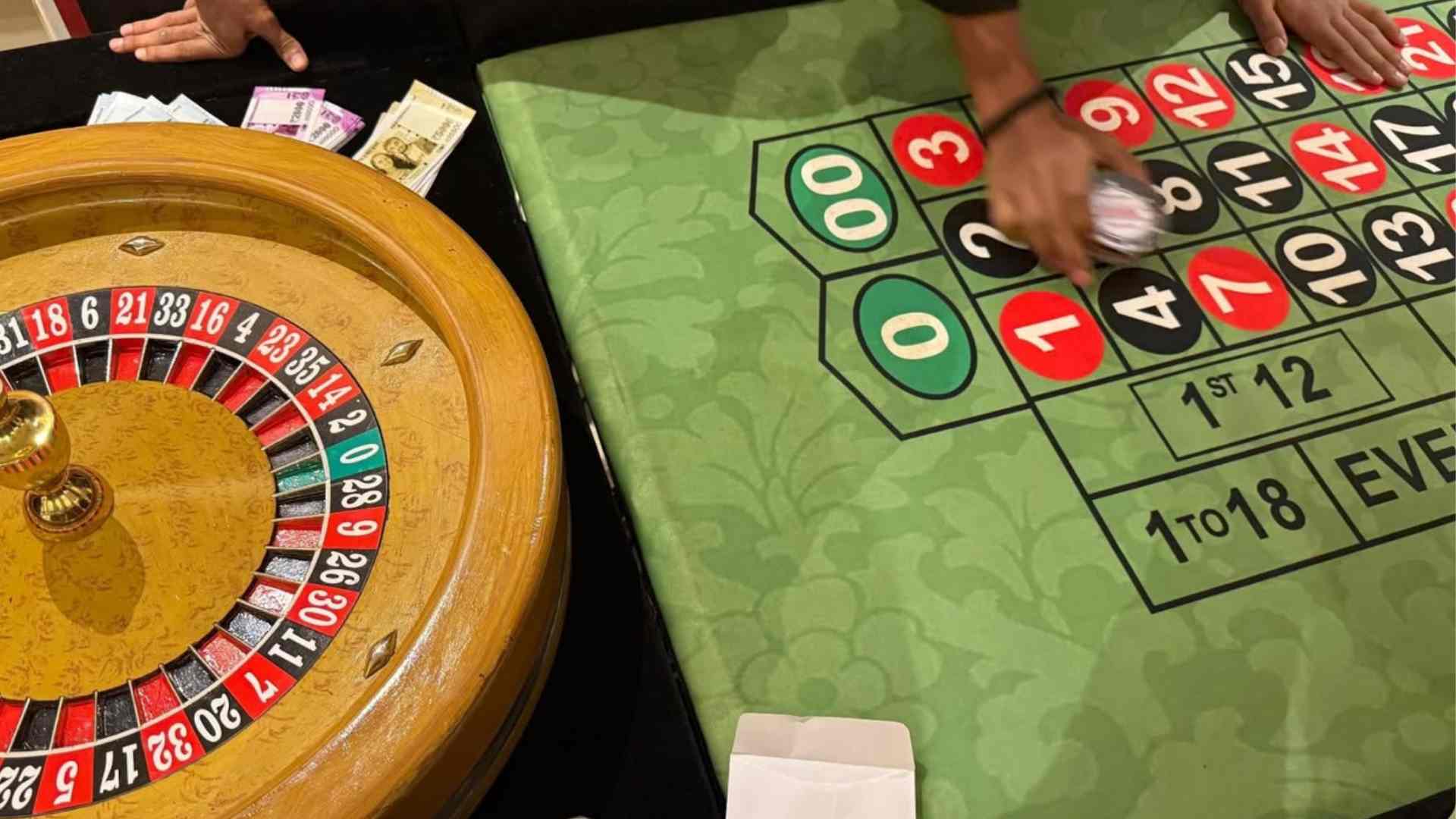
Watching an expected outcome draw near only to slip away at the last moment creates a distinct wave of emotional tension. Whether it is a spinning pointer passing your chosen segment or a last-minute shift in a digital game, the visual progression builds a unique sense of anticipation. Understanding how the human brain processes this sudden transition reveals fascinating aspects of cognitive focus and expectation management.
The Neurochemistry of Approaching Rewards
When we observe a favorable result getting closer, our brain immediately releases dopamine to heighten focus and curiosity. This neurochemical surge is designed to keep us attentive to environmental cues that signal impending success. The closer the target appears, the more intensely our cognitive systems engage with the visual display.
This mental surge means that the sudden removal of the outcome triggers an equally sharp emotional reaction. Instead of passive disappointment, the brain experiences a sudden shift from high expectation to complete reset. This abrupt transition explains why near-miss scenarios leave such a vivid memory in our minds.
Cognitive Processing of Near Misses
Psychologists note that the human brain often interprets a close outcome as a sign of progress rather than a standard loss. When an object or indicator glides past a targeted section, our mental models evaluate the event as almost successful. This subtle cognitive shift keeps participants motivated to observe or try again.
Digital entertainment platforms frequently utilize these visual mechanics to keep users thoroughly engaged during interactive sessions. For instance, accessing services via m88 login gives users direct access to dynamic gaming environments designed around probabilistic events. Seeing a desired outcome approach creates a momentary narrative that captures human attention effortlessly.
The Illusion of Momentum and Control
As a visual target moves towards a goal, our minds naturally construct a sense of forward momentum. We mentally fill in the trajectory, anticipating the exact moment of arrival before it actually occurs. When the motion suddenly alters or stops short, that internal projection is abruptly disrupted.
This illusion of momentum often trickles into our perception of personal influence over purely random occurrences. Observers feel as though the outcome was nearly within their grasp, heightening emotional involvement. Recognizing this psychological trick helps individuals maintain a realistic perspective during casual gaming or chance-based activities.
Building Emotional Resilience in Visual Games
Understanding the mechanics behind visual anticipation allows individuals to enjoy interactive mechanics without feeling overwhelmed by close calls. By recognizing that dopamine drives anticipation rather than guaranteed results, players can maintain balanced expectations. This awareness turns potential frustration into lighthearted entertainment.
Ultimately, watching a desired result approach and disappear is a masterclass in human perceptual dynamics. The combination of visual movement, brain chemistry, and narrative anticipation makes these brief moments surprisingly memorable. Accepting randomness for what it is ensures that the experience remains engaging and enjoyable.

Banjo Tooie Jolly Roger's Lagoon Guide ...
Entering Jolly Roger's Lagoon in Banjo-Tooie transitions players from traditional land-based platforming into an expansive underwater adventure. This coastal world divides its challenges between a quaint, pirate-themed harbor town and a massive subterranean ocean floor filled with ancient ruins. Navigating this dynamic environment efficiently requires a firm grasp on the level's dual nature and unique mechanical requirements.
Exploring the Sunken Harbor and Town
The seaside village serves as your initial point of entry and acts as the central hub for the world's surface-level activities. Here, players can interact with eccentric local residents like Jolly Roger himself to unlock critical progression paths and side quests. Gathering local currency known as Doubloons allows you to purchase essential items and access restricted areas controlled by pawnbrokers.
Before diving into the deep waters, players must solve several quick puzzles around the docks to prepare for the main voyage. Helping local townspeople resolve their immediate dilemmas opens up structural pathways leading directly to the ocean floor. Ensuring you clean out the surface secrets guarantees you have enough resources for the journey ahead.
Mastering Underwater Navigation and Oxygen
Submerging into the main lagoon shifts the gameplay entirely toward fluid, three-dimensional aquatic exploration. To survive the deep areas without constantly drowning, players must learn specialized swimming maneuvers taught by Jamjars. This training allows the bear and bird duo to breathe indefinitely underwater, completely eliminating the standard oxygen limitation.
The deep ocean holds a complex network of ancient temple ruins, dangerous sea anemones, and hidden caverns waiting to be mapped. Moving through these currents requires precise control over your swimming speed to avoid aggressive marine predators guarding critical passages. Understanding the layout of these underwater corridors is vital for locating the world's most elusive treasures.
The Submarine Transformation and Deep Sea Trials
Locating the local glowbo allows players to visit Humba Wumba's wigwam and unlock the powerful submarine form. This mechanical transformation drastically alters how you interact with the environment by granting immunity to cold temperatures and deep-sea pressure. The submarine comes equipped with unlimited torpedoes, making it an excellent vehicle for heavy combat situations.
Using this underwater vehicle is mandatory for completing specialized mini-games and unlocking deep-sea vaults. It allows players to safely navigate the toxic plumbing systems and deep trenches that are otherwise inaccessible to the baseline character duo. Swapping between your standard form and the submarine ensures you can tackle every structural challenge present in the depths.
Conquering Lord Woo Fak Fak
Deep within the belly of a massive sunken ship lies the formidable boss of the lagoon, a giant bioluminescent fish known as Lord Woo Fak Fak. Defeating this massive adversary requires players to target specific glowing weak spots located across its scaly body. Utilizing your aquatic projectile attacks effectively while maintaining a safe distance is the key to surviving this encounter.
As the battle progresses, the boss alters its movement patterns and begins firing dangerous electrical tracking beams that require quick reflexes to evade. Precise swimming control and patience are necessary to land the final hits without taking heavy damage. Defeating this oceanic terror rewards players with one of the level's final prize Jiggies.

How Reputation Can Make Weak Plays Look Stronger ...
In competitive environments, perception often matters just as much as actual card strength or mathematical odds. A player's established history can heavily influence how opponents evaluate their actions, transforming questionable moves into seemingly formidable threats. Understanding how reputation reshapes perceived strength offers deep strategic insights for anyone navigating high-stakes tactical decisions.
The Halo Effect of a Strong Reputation
When a player builds an image as a disciplined and sharp competitor, opponents naturally give them the benefit of the doubt. This psychological phenomenon causes rivals to assume that every bet or raise is backed by solid reasoning rather than a speculative bluff. Consequently, even a weak holding can command immense respect when played by someone with a formidable track record.
This halo effect alters how opponents interpret subtle behavioral cues during intense moments. Instead of looking for vulnerabilities, cautious rivals search for reasons to justify folding their own decent hands. Over time, a strong personal brand acts as an invisible shield that protects marginal decisions from being challenged.
How Past Consistency Creates Leverage
Consistency in execution forces rivals to respect your actions even when your current position is mathematically weak. When opponents remember a long line of solid plays, they hesitate to re-raise or push back against aggressive moves. This hesitation gives the strong-reputation player total control over the tempo of the game.
Many strategic enthusiasts observe these dynamic interactions across online platforms through tools like ทางเข้าm88 to analyze competitive behavioral patterns. Seeing how top competitors leverage their standing provides practical lessons in table control. Ultimately, established credibility allows players to win pots without always needing the best hand.
Exploiting Opponent Overthinking
Opponents facing a highly regarded player often fall into the trap of overanalyzing simple situations. They tend to project complex strategies onto basic moves, convincing themselves that a trap is being set. This tendency to overthink leads them to fold winning hands out of excessive caution.
By recognizing this psychological flaw, a player can intentionally execute weak plays that appear disguised as high-level tactics. The threat of a masterclass strategy often forces opponents to make defensive mistakes. Managing this dynamic requires keen awareness of how others view your table persona.
Maintaining Balance to Preserve Power
Relying solely on reputation can quickly backfire if a player becomes overly predictable or careless. If weak plays are exposed too frequently, opponents will lose their fear and begin calling aggressive bets more lightly. Preserving image equity requires mixing conservative play with occasional calculated risks.
Disciplined strategists constantly monitor their table image to ensure their reputation remains intact over long sessions. Protecting your credibility ensures that future bluffs retain their maximum psychological impact. Balancing tight execution with occasional pressure keeps rivals guessing and maintains your strategic edge.

Should You Help Frank Or Go For The Truck ...
Navigating the brutal moral landscape of a post-apocalyptic survival scenario often forces players to make split-second decisions that alter the course of their journey. One of the most tense crossroads you will face involves a direct choice between immediate human loyalty and long-term mechanical utility. Deciding whether to safeguard a companion in distress or secure a valuable transport vehicle can permanently redefine your group dynamics and resource availability.
The Moral Weight of Saving Frank
Choosing to assist Frank prioritizes immediate human life and reinforces the ethical backbone of your surviving community. This path showcases a commitment to group solidarity, ensuring that no member is left behind regardless of the sudden physical cost. Taking the time to protect your ally builds deep emotional trust and frequently unlocks unique narrative subplots later in the story.
However, pausing to rescue an individual during a chaotic crisis leaves your perimeter exposed to oncoming threats. Your team might sustain heavy damage or expend vital medical supplies to patch up injuries earned during the rescue mission. While your moral conscience remains clear, your practical inventory will take a significant hit as a direct consequence.
The Strategic Value of Securing the Truck
Prioritizing the vehicle offers an undeniable tactical advantage for a mobile community searching for a sustainable future. A functional transport option allows your group to carry massive quantities of supplies, execute swift evacuations, and move securely across hostile territories. Securing the transport asset ensures the collective survival of the entire group rather than risking everything for one person.
Abandoning a teammate to secure mechanical utility will severely damage overall group morale and alienate specific faction members. Some allies may openly question your leadership capabilities or harbor deep resentment that creates internal friction down the line. It is a calculated, utilitarian gamble where human empathy is traded directly for logistical security.
Comparing Long Term Survival Outcomes
Every major choice yields distinct rewards and structural challenges that shape your endgame efficiency. Saving Frank preserves a reliable combat partner who can watch your back during future skirmishes and exploration phases. He may also offer specialized crafting skills or unique faction connections that help rebuild a fragmented society.
On the other hand, the vehicle unlocks access to distant regions and provides a mobile safe zone during long journeys. Balancing these outcomes requires you to analyze whether your current playthrough benefits more from human resourcefulness or mechanical mobility. Ultimately, the choice depends on whether you prefer to lead with absolute pragmatism or unyielding loyalty to your people.

How To Recognize Strong Signals During Bridge Auctions ...
In contract bridge, the bidding phase serves as a vital channel of communication where partners exchange information about their hand strength and suit distribution. Identifying powerful bidding sequences allows a partnership to reach optimal contracts while preventing costly overbids. Mastering how to interpret these subtle cues turns standard auctions into clear strategic blueprints for successful trick-taking.
Understanding High-Card Point Thresholds and Jumps
One of the clearest indicators of a powerful holding during a bridge auction is a jump bid. When a player skips a level of bidding, it immediately signals exceptional high-card strength or an unusually long, self-sufficient suit. Recognizing these jump responses helps partners quickly evaluate whether a game or slam contract is within reach.
Strong jump shifts require a high concentration of high-card points and solid honor cards in the named suit. This aggressive call tells the opener that the partnership holds enough combined assets to push forward without hesitation. Correctly reading these early power moves prevents passive passing when lucrative scoring opportunities arise.
Identifying Conventional Cue-Bids and Game Force Sequences
Artificial bidding conventions offer precise methods to signal high hand values without committing to a final contract prematurely. Cue-bidding an opponent's suit, for instance, immediately communicates control and interest in reaching a higher level. These specialized calls ensure that neither partner stops bidding until a game contract is established.
As players develop their table presence, tracking complex conventions becomes second nature during competitive sessions. Enthusiasts looking for modern entertainment or online card strategy platforms frequently visit keonhacai.com m88 to explore various digital games and test their logical skills. Applying structured rules to every bidding turn ensures consistent communication across all hands.
Evaluating Reverse Bids and Suit Re-bids
A reverse bid occurs when an opener names a higher-ranking suit at the two-level after previously introducing a lower-ranking suit. This specific sequence signals a strong hand, typically containing sixteen or more high-card points. It indicates that the opener is comfortable forcing the auction higher because of superior overall strength.
Recognizing a reverse bid allows the responder to re-evaluate their hand in light of the extra values shown by partner. Rather than panicking at the elevated level, responder can make informed choices about game invitation or slam exploration. Understanding this mechanic is essential for maintaining control during fluid auctions.
Observing Trump Support and Control Bidding
When a trump suit is agreed upon early, subsequent bids often shift from suit length to control-showing bids. Bidding a first-round or second-round control in an unbid suit signals to partner that your holding contains an Ace or a void. These specific signals act as green lights for investigating ambitious slam contracts safely.
Clear control signals remove the uncertainty of losing immediate tricks in unbid side suits. By methodically exchanging control information, partners can pinpoint exact weaknesses before committing to high-level bids. Developing a keen eye for these late-auction signals ensures maximum scoring efficiency at the table.
Semua artikel sudah ditampilkan.